AKA LUXURY · GUIDE
How to Set Up Waste Separation Bins at Home or in the Office
Build a practical recycling and general-waste station with clear labels, correct placement, capacity planning and local collection rules.
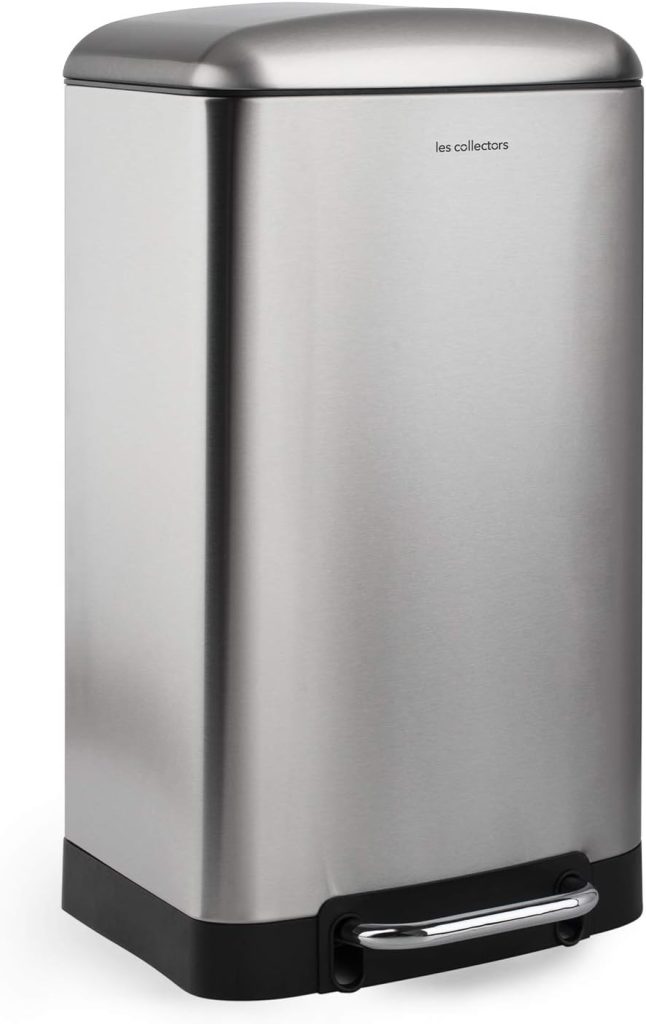
Buying several waste separation bins does not automatically improve recycling. People need to understand what belongs in each container, the bins must be conveniently located, and the labels must match the actual collection service. This practical guide applies to homes, offices and shared facilities, without assuming a universal color code or fixed number of streams.
Check your collection provider first
Find out which materials your municipality or waste contractor accepts and whether dry recyclables are collected separately from general waste. The acceptance of paper, glass, certain plastics and food-contaminated cardboard varies by location. A bin labeled “recycling” can mislead users if its contents have no suitable collection route.
Choose streams based on real waste types
A home might start with general waste and locally accepted dry recyclables. A large workplace may need additional paper or food-types of waste. Batteries, medicine, lamps and hazardous materials may require separate collection arrangements; simply giving them a different ordinary bin does not make disposal safe. Determine streams before selecting the number of containers.
Put related bins together
In kitchens, place the station near food preparation and disposal points. In offices, consider paper-use and refreshment areas. In lobbies, keep bins accessible without blocking walking routes or exits. Placing general-waste and recycling bins alongside each other can help users make the right choice at the moment they discard an item.
Design labels for real people
Use short terms and specific examples such as “clean paper and cardboard”, “accepted packaging” and “general waste”. Unless local regulations specify a particular color, text and recognizable visual cues matter more than color alone. Show both accepted and rejected items near the openings and update labels when the collection service changes.
Reduce contamination
Food residue, liquids and wet paper can compromise certain recycling streams, depending on local processing. Empty containers and clean them when your collection program requires it. Keep dry recyclables away from leaking food waste. A station that looks tidy on installation day still needs routine checks and a reliable emptying plan.
Choose the right bin style
An AKA bin that accepts waste without lifting a lid can be convenient for suitable dry waste such as paper. If the contents should stay out of sight, compare bins with lids. These are ordinary bins; successful recycling still requires clear labels and separate collection. Match size to traffic using the capacity guide.
Launch and improve the station
1) Confirm accepted materials. 2) Select types of waste collected separately and stations. 3) Match capacity to usage and collection frequency. 4) Install readable labels. 5) Train users with simple examples. 6) Review sorting errors after a few weeks and adjust the location or signage. The US EPA guidance discusses clean, dry materials and bin placement; local collection instructions still govern what is accepted.
Frequently asked questions
Must recycling bins always be blue or green?
No universal color scheme applies everywhere. Follow local requirements and use clear words and examples.
Can all plastics go into recycling?
No. Acceptance depends on the polymer, contamination and the facilities available in your area.
Can a household combine all dry recyclables?
Only if the local collection system accepts the particular combined materials. Check first.