AKA LUXURY · GUIDE
How to Size a Trash Bag for Round and Rectangular Bins
Measure bin liners properly using rim perimeter, flat bag width, container height and overhang, with centimeter examples.
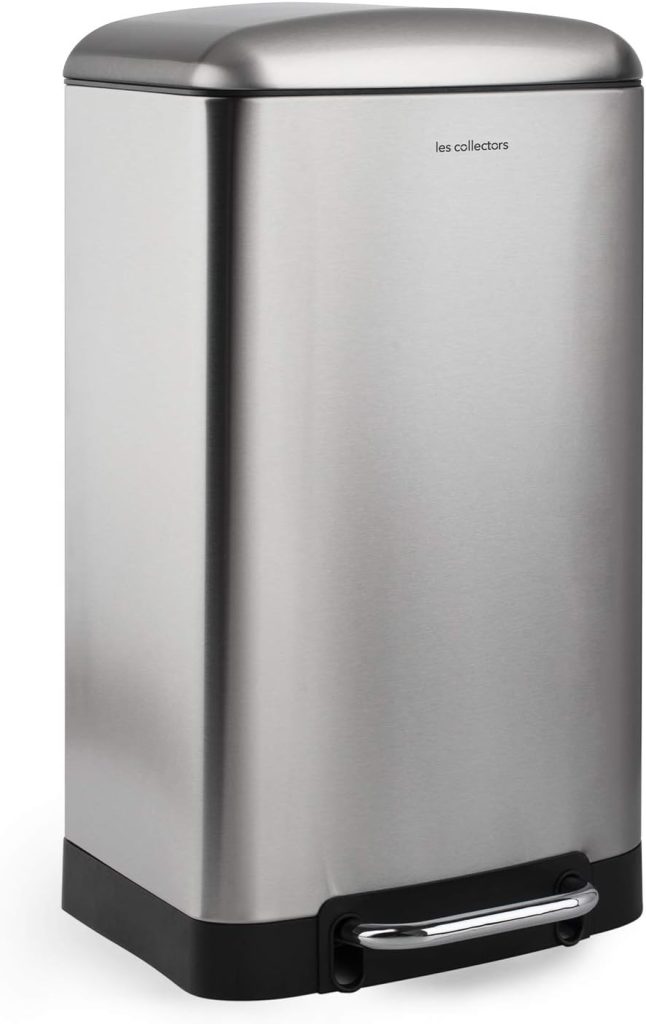
Choosing a trash bag for a bin by liter capacity alone is unreliable. Two 20-liter bins may have very different rim shapes and heights. A bag that fits one can slip off the other. Measure the rim and container height, then check how the supplier defines the bag’s dimensions.
Understand flat bag width
Some liner packages specify the lay-flat width: the distance across a bag when it lies flat, not the open circumference. Gusseted bags can be described using face width, gusset depth and expanded open width. Check which measurement the packaging uses before matching it to your bin.
Round bins: estimate the width
For a circular rim of diameter D, the circumference is approximately 3.14 × D. The initial required flat bag width is about half that perimeter, or 1.57 × D. Example: a 30 cm diameter rim has a perimeter of about 94 cm and requires roughly 47 cm of lay-flat bag width before allowing for the actual rim and fit. Test a slightly larger available size.
Square and rectangular openings
For a rectangular rim with width W and depth L, the half-perimeter is W + L. A 25 × 20 cm opening therefore needs roughly 45 cm of flat bag width as a starting point. A tapered body, heavy rim or gusseted liner can change the practical fit, so use a sample before ordering cases.
Estimate the liner length
The liner should reach the base, cover the bottom shape and fold securely over the rim. For a round bin, a useful starting estimate is bin height + half the diameter + around 10–13 cm of overhang. For example, a 40 cm tall round bin with a 30 cm diameter rim gives a starting bag length of roughly 65–68 cm. For rectangular bins, estimate container height + half the longer rim dimension + approximately 10–13 cm of overhang. For a 25 × 20 cm rim and a 40 cm tall container, that is about 63–66 cm of bag length. Check the real bottom shape, bag seams and tying requirements before ordering.
Match material to the type of waste
Bag strength depends on material and construction as well as thickness. Heavy or sharp-edged waste can split an unsuitable bag; wet waste adds handling demands. Do not assume a stronger ordinary liner makes hazardous or sharp waste safe to handle. Specialist types of waste may require dedicated containers and rules.
Using measurements for AKA products
The AKA Pedal Bin is offered in multiple capacities, as is the Square Bin range. Different sizes do not automatically share one liner size. Obtain the exact dimensions for the chosen configuration and test the bag’s flat width, length and ability to stay on the rim.
Common mistakes and checklist
Avoid selecting by liters alone, confusing flat width with open circumference, choosing a bag too short to fold over the rim, or using excess bag length that bunches at the base. Test one or two samples with the intended waste before purchasing in bulk. Our bin capacity guide covers the separate issue of sizing the bin itself.
Sizing reference
The rim-perimeter method and allowance for bag overhang are also discussed in the Uline Trash Liner Guide. Treat formulas as estimates, not substitutes for real container and bag measurements.
Frequently asked questions
Does a 20-liter bin require a 20-liter bag?
Not necessarily. Rim geometry, bin height, bag seams and overhang matter; liters alone do not establish compatibility.
What bag width works for a 30 cm round rim?
The geometric flat-width estimate is about 47 cm. Check the next suitable marketed size and verify it on the actual bin.
How much overhang is needed?
Enough to keep the bag secure and make emptying practical. About 10–13 cm is an initial allowance, not a universal standard.