AKA LUXURY · GUIDE
Clinic Waiting-Room Bins: General Waste vs Medical Waste
Choose ordinary waste bins for clinic reception and waiting areas while keeping medical sharps and regulated clinical waste in dedicated systems.
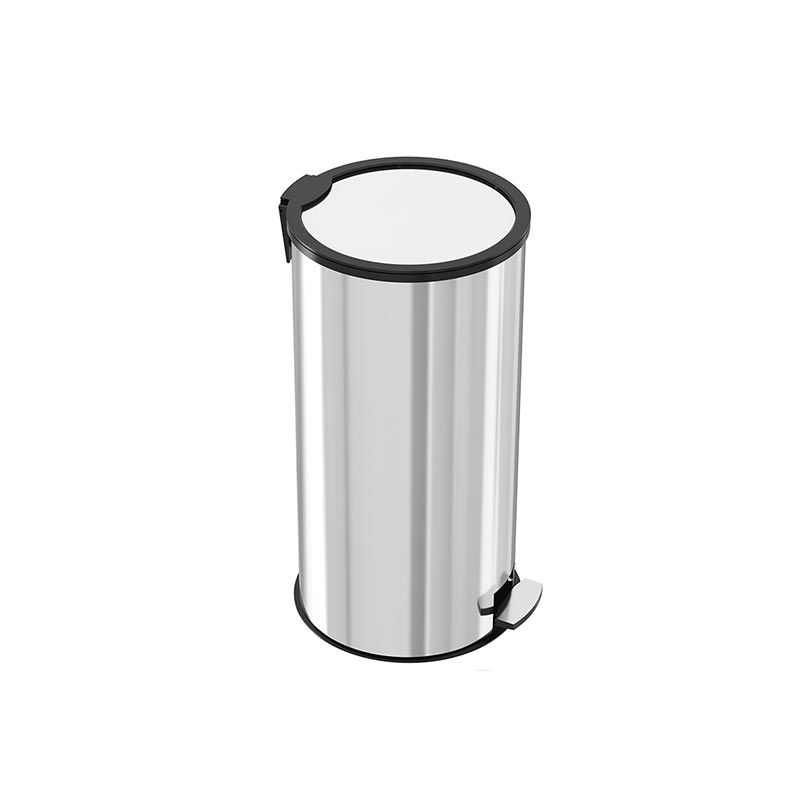
A clinic waiting-room waste bin is not the same as a clinical or sharps-waste container. Reception desks and administrative rooms may need ordinary receptacles for uncontaminated paper and packaging, whereas waste from treatment, injections and laboratories is subject to specialized handling and local rules. This article covers general, non-clinical waste only; it does not recommend AKA bins for regulated medical waste.
Define the type of waste before buying
Ask the facility’s infection prevention or waste-management lead which type of waste exists at each location. Administrative desks and waiting areas may produce ordinary paper and packaging, but that description must not be extended automatically to injection rooms, specimen collection or laboratories. Start with the approved waste classification, not with bin appearance or color.
Ordinary bins are not sharps or clinical-waste containers
Needles, scalpel blades, blood-contaminated materials or other locally regulated clinical waste must not be placed in an ordinary AKA waste bin. These categories require appropriate dedicated containers and collection arrangements. The CDC guidance on regulated medical waste explains distinct handling requirements; local laws and institutional procedures govern the actual facility.
Waiting-room placement and accessibility
Place general-waste bins where visitors can find them without blocking walking routes, mobility-aid access, room doors or emergency exits. Determine the number of locations based on the floor plan, traffic and emptying frequency. Several well-located compact bins may be more usable than a single oversized one far from where waste is generated.
Pedal-operated, lidded or without a lid?
A bin that accepts ordinary dry paper without opening a lid may be useful in some reception areas. A covered model may be more appropriate where the contents should be concealed. Pedal operation allows foot opening, but it does not certify the container for infection control or medical waste. Follow the facility’s environmental cleaning and waste-separation policy for final decisions.
Which AKA products can be compared?
For general administrative use, compare the actual dimensions of AKA Pedal Bin and Sabalan. The Konica is a 10 L open-top catalogue example for selected dry waste. These are examples of ordinary waste bins, not products certified for infectious, hazardous or sharps disposal.
Cleaning routines and finish compatibility
Clean exterior contact points, lid rims and pedals according to the facility schedule and product care guidance. A disinfectant approved for healthcare premises is not necessarily safe for every decorative metal finish. Confirm chemical compatibility with the specific coating. If the clinical cleaning protocol requires particular materials, select a bin whose resistance and suitability can be documented.
Institutional procurement checklist
1) Verify the location handles general non-clinical waste only. 2) Define usage, capacity and lid style. 3) Check access and safe placement. 4) Plan emptying and cleaning. 5) Review product-specific dimensions, materials and finish. 6) Confirm quantities and responsibility for each zone. Browse office-suitable AKA products and contact AKA Luxury for product enquiries.
Frequently asked questions
Can an ordinary stainless steel bin hold sharps or infectious waste?
No. Use dedicated containers and procedures defined by the facility and applicable regulations.
Is a pedal bin automatically a certified hospital bin?
No. A pedal only describes an opening mechanism, not medical-waste approval.
Must all clinic reception bins be covered?
The appropriate design depends on the approved general-type of waste, cleaning policy and local requirements.